Best Time to Trek in Nepal 2027: Month-by-Month Guide
 bySuman Neupane
The quick answer
- Best overall: October and November. Clear skies, dry trails and the most stable weather.
- Best runner-up: March and April. Warmer and greener, with rhododendrons blooming on the lower trails.
- Winter (December to February): quieter and colder. Great for lower-altitude treks and cultural trips.
- Monsoon (June to August): wet and cloudy on most routes. Only a few rain-shadow regions work well.
Autumn (September to November): clear skies, big crowds
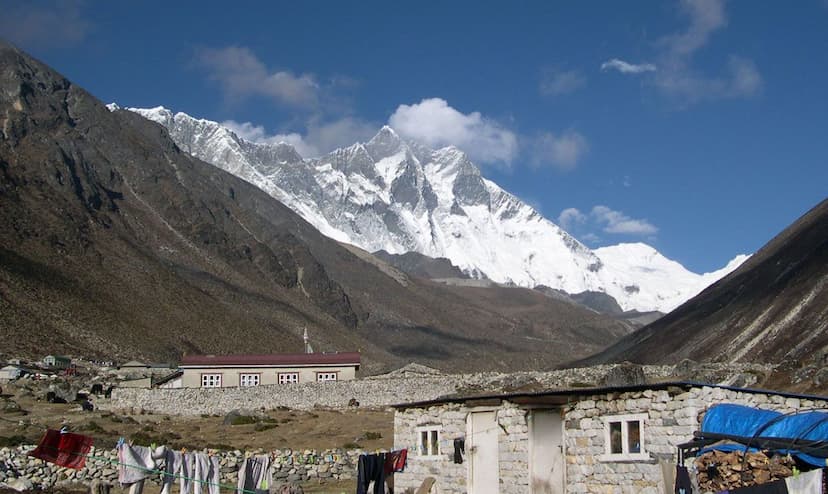
After the monsoon rinses the dust from the air, the Himalaya shows off. Views are sharp, trails are drying out, and most high passes are open. That’s why October is the busiest month on the Everest, Annapurna and Manaslu trails.
What to expect:
- Days are comfortable for walking, but nights at altitude are cold, and they get colder as November goes on.
- Teahouses and flights fill up early, so book well ahead.
- Late November is a sweet spot. Crowds thin out and the air is crisp, but bring a serious down jacket and a warm sleeping bag.
An honest note: even in the best months, mountain weather can turn. A storm can bring snow to high trails and delay flights. A good itinerary includes spare days, and you should ask any company how they handle bad-weather days before you pay.
Best for: Everest Base Camp, Annapurna Circuit, Manaslu, Langtang, Mera Peak and Island Peak.
Winter (December to February): quiet trails, cold nights
Winter brings the thinnest crowds and some very clear mornings. It also brings real cold at altitude, shorter days, and a higher chance that high passes close.
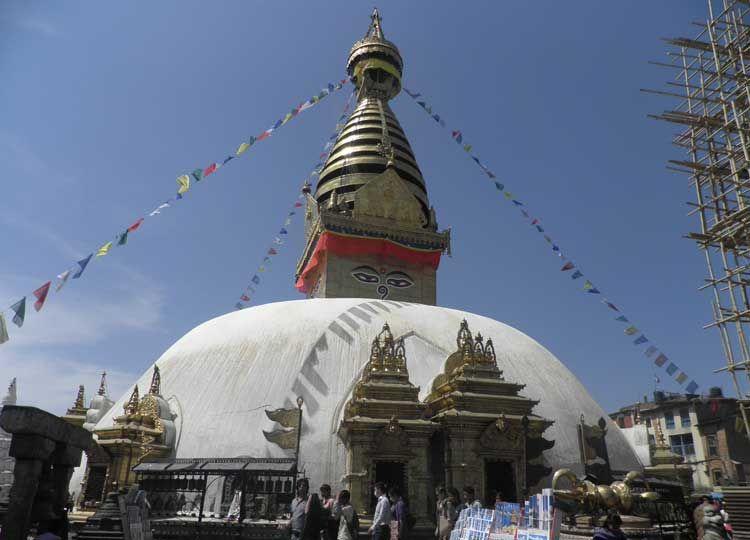
Winter works best for lower-altitude trips: Poon Hill, the Royal Family Trek and homestay trekking, plus Chitwan jungle safaris, cultural tours of the Kathmandu Valley, and Bhutan. If you want a high trek, choose a company that is honest about conditions, and avoid high passes like Thorong La in deep winter.
Spring (March to May): warm days, blooming forests, expedition season
Spring is Nepal’s second great window. Lower trails are lush, the foothills fill with rhododendron blooms, and days are warmer. It is also the main season for big expeditions, when teams head for the 8,000-metre giants and many popular 6,000-metre peaks.
Expect some haze at times, especially in late spring, and busy trails in April. Book early.
Best for: Everest Base Camp, Annapurna, Mardi Himal, Island Peak, Mera Peak, and expeditions such as Manaslu and Ama Dablam. Ask us for the exact climbing windows for each peak.
Monsoon (June to August)
Heavy rain, leeches, landslides, cloudy views and flight delays make this the toughest time for most trekking. The exceptions are the rain-shadow regions north of the main range, such as Upper Mustang, Nar Phu and Dolpo, which stay much drier. If you travel in the monsoon, go with local experts who know which trails are safe.
Which trek should you book?
- Short on time (3 to 5 days): Ghandruk Poon Hill Express (3 days, from $268) or Annapurna Express (5 days, from $389).
- Two weeks, first big trek: Everest Base Camp (14 days, from $1,555) or Mardi Himal (7 days, from $449). Base camp sits at about 5,364 m, and the Kala Patthar viewpoint reaches 5,545 m.
- Fewer crowds, big scenery: Manaslu–Larkya Pass (15 days, from $1,099).
- Love variety: Annapurna Circuit (17 days, from $899) or the shorter 10-day Thorong La version (from $699).
- Want a summit: Mera Peak (16 days, from $2,245) or Island Peak (18 days, from $2,265).
- Serious climber: Ama Dablam Expedition (28 days, from $7,555) or Manaslu Expedition (31 days, from $13,995).
- Low altitude and relaxed: Royal Family Trek (6 days, from $360), a Chitwan jungle safari, or Bhutan tours.
Prices are the starting prices listed on our trip pages and can vary by group size and season.
How to choose a trekking company you can trust
Your guide and your agency matter more than the route. Before you pay anyone, check:
- Registration and memberships. The company should be government-registered, with memberships such as NTB, TAAN or NMA.
- Guides. Look for experienced local guides with first-aid and altitude training.
- Clear inclusions. You should know exactly what is and isn’t in the price.
- Insurance advice. Your policy should cover the maximum altitude of your trip, including emergency helicopter evacuation.
- A bad-weather plan. Ask about spare days and what happens if flights or trails are disrupted.
- Independent reviews. Read recent reviews on sites such as TripAdvisor and Trustpilot.
- Real support. Fast replies before you book, and someone reachable while you’re on the trail.
Asian Hiking Team is a government-certified local agency based in Thamel, Kathmandu. Our guides began as porters, and we set aside 2% of our profits for education, health and environmental projects in remote communities.
Before you book: six things to do
- Pick your window using the seasons above.
- Book early. We suggest starting 3 to 6 months ahead for autumn and spring treks, and 9 to 12 months ahead for expeditions.
- Train. Build leg strength and cardio for at least 8 to 12 weeks, and practise walking with a loaded daypack.
- Get the right insurance with altitude and helicopter evacuation cover.
- Respect acclimatization. Never skip rest days, and walk high, sleep low.
- Sort your visa and permits. Check visa rules for your nationality. We arrange trekking permits for our clients.
Frequently asked questions
Is trekking in Nepal safe? Thousands of foreign trekkers walk Nepal’s trails safely every year. Risks such as altitude sickness, landslides and storms are manageable with a good guide, a realistic itinerary and proper insurance. Conditions change, so ask us for the latest trail updates before you travel.
Do I need trekking experience? Not for treks like Poon Hill, Mardi Himal or Everest Base Camp, but you should be comfortable walking 5 to 7 hours a day and be in good shape. For peak climbing, fitness matters most, and our guides teach the basic skills.
Do I need a guide? Rules for independent trekking have been tightening in many areas, and a guide adds safety, local knowledge and support. Please confirm the current regulations with us before you go.
How cold does it get? Nights above 4,000 m can fall well below freezing in late autumn and winter. Pack layers, a down jacket and a warm sleeping bag.
Can I join a group? Yes. Ask us about group departures and available dates.
Plan your Nepal trek with us
Tell us your dates, fitness level and budget, and we’ll recommend the best route and season for you.
- Email: info@asianhikingteam.com
- Phone and WhatsApp: +977 9841306857
- Contact us
We’d love to walk beside you.