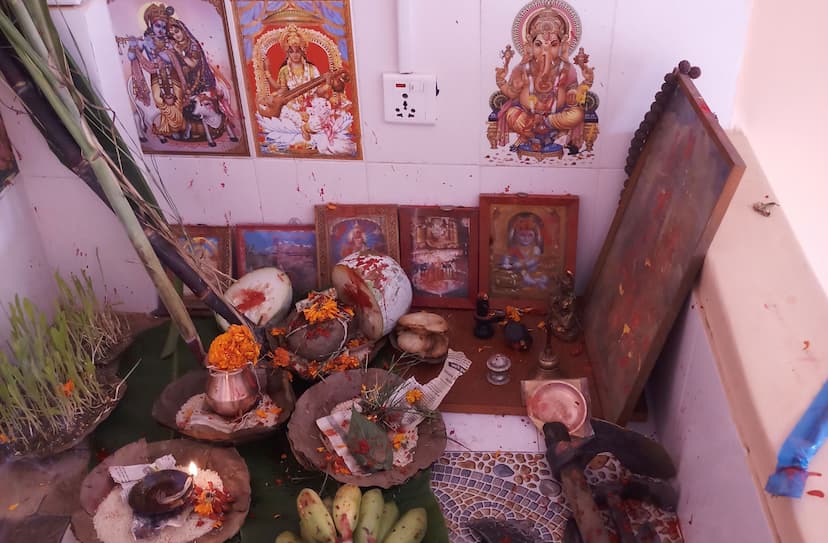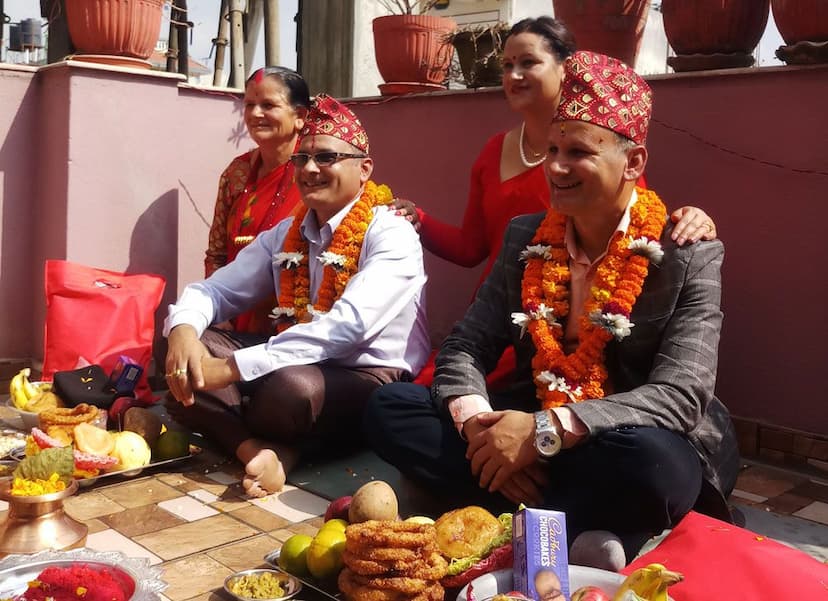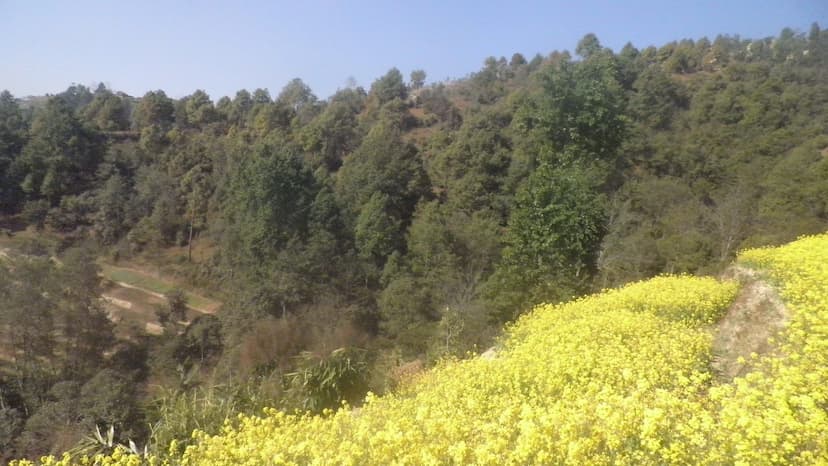
Holi Festival day celebration
Holi is a religious spring festival celebrated by Hindus and is widely known as the Festival of Colors. It is primarily observed in India, Nepal, Pakistan, and in countries with large Hindu and Indic diaspora communities around the world.
Holi is a religious spring festival celebrated by Hindus and is widely known as the Festival of Colors. It is primarily observed in India, Nepal, Pakistan, and in countries with large Hindu and Indic diaspora communities around the world.
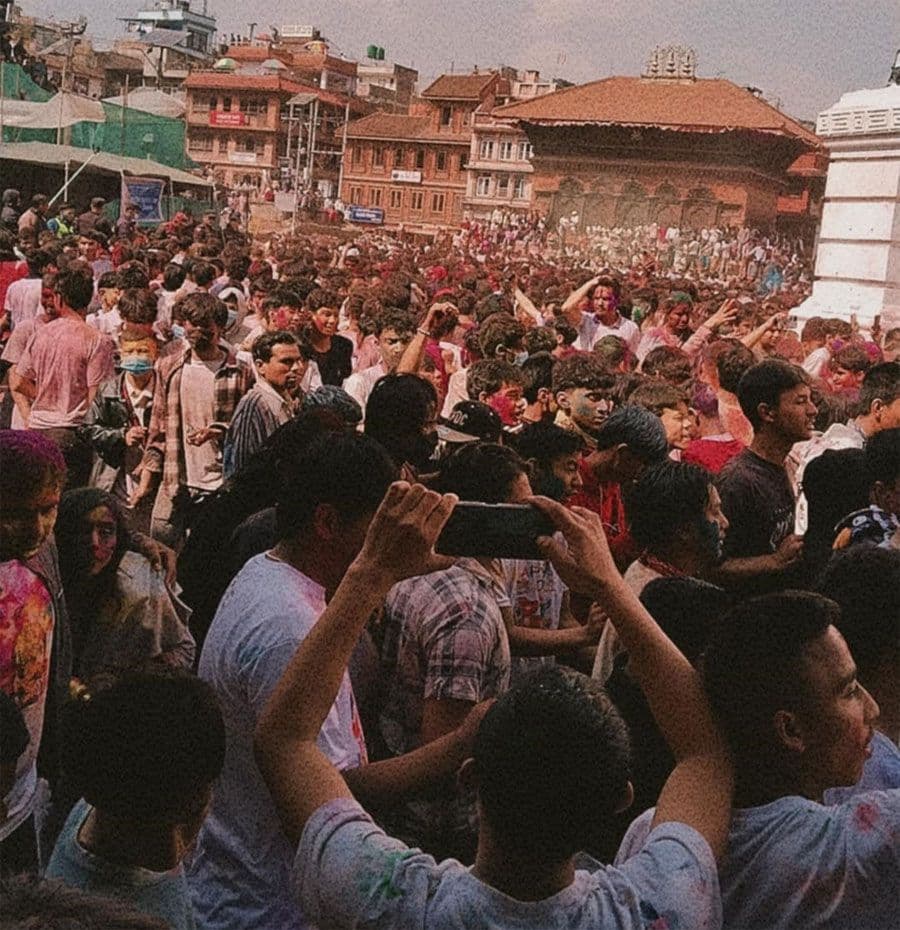
The main day of the festival, known as Holi or Dhuli in Sanskrit (also called Dhulheti, Dhulandi, or Dhulendi in different regions), is celebrated by people throwing colored powders, scented powders, and perfume at one another. Bonfires are lit on the eve of the festival, a ritual known as Holika Dahan (the burning of Holika) or Chhoti Holi (Little Holi). After the Holika Dahan ceremony, prayers are offered and praises are sung.
The bonfires commemorate the miraculous escape of the young devotee Prahlad from a fire into which he was carried by the demoness Holika, the sister of Hiranyakashipu. While Holika was burned to death, Prahlad, a devoted follower of Vishnu, emerged unharmed
Trip Facts
Group Size
no limits
Location
Kathmandu
Fact
Color Festival
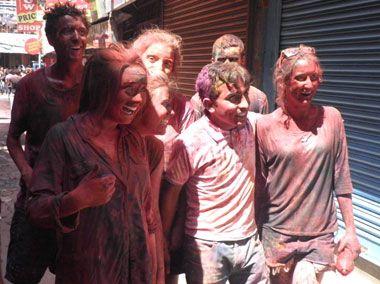
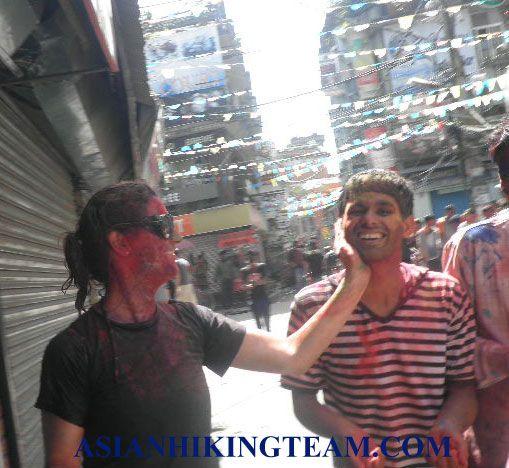
Holi is famous for its vibrant celebration where people throw colored powders (gulal) and water at one another, creating a joyful and colorful atmosphere.
On the eve of Holi, bonfires are lit during the ritual of Holika Dahan, symbolizing the victory of good over evil and commemorating the story of Prahlad and Holika.
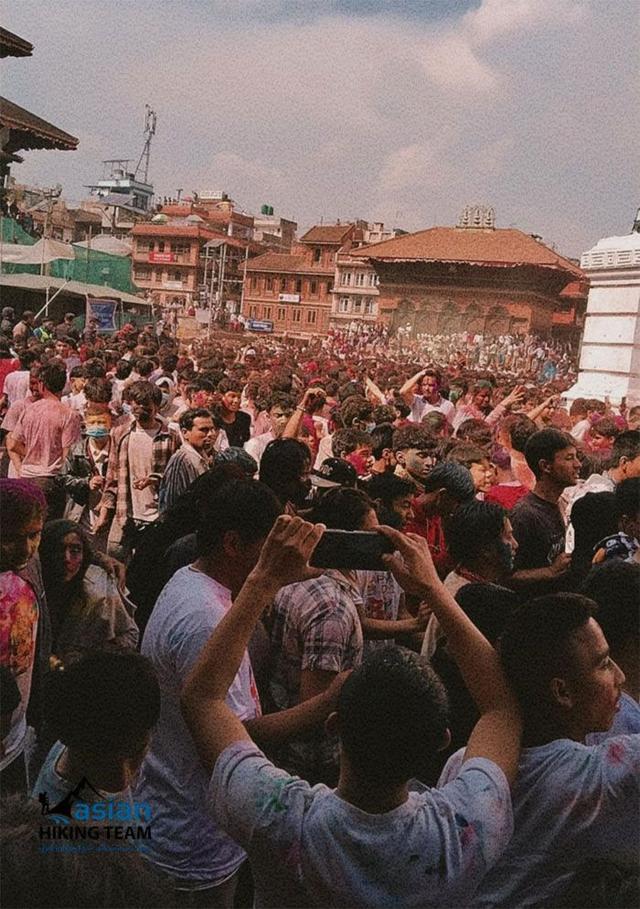
Holi brings people together regardless of age, gender, caste, or social status. Friends, families, and communities celebrate side by side, strengthening social bonds.
The festival is filled with traditional songs, dancing, drumming, and lively celebrations in streets, temples, and public squares.
People prepare and share festive foods and sweets such as gujiya, malpua, dahi vada, and various regional delicacies.
Holi is a time to forgive past grievances, mend relationships, and welcome new friendships with happiness and positivity.
For visitors, Holi offers an unforgettable experience of color, culture, tradition, and community spirit, making it one of the most celebrated festivals in South Asia.
Permits and Entry fees:
- Temple entrance fees.
- Monastery Entrance fees.
- Entrance fees: Durbar Square, Museum etc
Staffs: Tour Guide:
- Tour Guide: A First Aid and Eco trained & Government licensed holder professional equipped English-speaking Tour guide.
Meals
- Dinner with free drinks and celeration Holi meals.
Souvenir / document:
- T-short: Asian Hiking Team provide the company T-short for a souvenir.
- Certificate: Asian Hiking Team provide Tour success certificate for your memory and awardees.
Accommodation and Meals:
- Accommodation: Hotel in Kathmandu.
- Meals: Lunch during the tour.
Personal Natural Expensive:
- Personal tour gears & clothing please check in check list for equipment list
Tips/donation:
- The tips for Tour guide: It's a way to show appreciation for good service and is often left as a small present or in addition. Tips are a common practice in many cultures and are often expected for services. It is not fix amount, so you can own decide. If you want to donation to school or Charities.
| Date | Duration | Status | Booked | Action |
|---|
Tailored add-ons in Nepal trips refer to customizable essentials that enhance and personalize your travel experience, allowing you to align your journey with specific interests, preferences, and schedules. These add-ons can be combined into various types of trips, including trekking, expedition, climbing, cultural tours, wildlife safaris, and adventure activities.
Helicopter: Flight in mountain areas depends on weather so you can choose by Helicopter, the cost depends on number of members etc.
Adventure Activities: Incorporate thrilling experiences such as paragliding in Pokhara, bungee jumping over the Bhote Koshi River, zip-lining, mountain biking, or white-water rafting, trekking, peak climbing, expedition.
Spiritual Journeys: Add visits to sacred sites like Lumbini (birthplace of Buddha), Pashupatinath Temple, or Muktinath for a spiritual dimension to your trip.
Cultural Experiences: Participate in local festivals, visit traditional villages, or engage in cooking classes to immerse yourself in Nepalese culture.
Wildlife Safaris: Extend your itinerary with a jungle safari in Chitwan or...
General Climate Overview Nepal's climate is incredibly diverse due to its dramatic range in altitude—from the lowland Terai plains (around 60 meters above sea level) to the Himalayan peaks above 8,000 meters. The country experiences five main seasons: spring, summer, monsoon, autumn, and winter. Kathmandu Monsoons (June–September): Heavy showers, high humidity—weekly thunderstorms common in July, with ~324 mm rainfall in July and ~238 mm in August. Best times: Spring (March–May) and autumn (mid Sept to Nov)—clear skies, mild temps (daytime ~25–30 °C, nighttime ~10–15 °C) Winter (Dec–Feb): Cool & dry, lows can approach 0 °C but rarely snow in the valley.
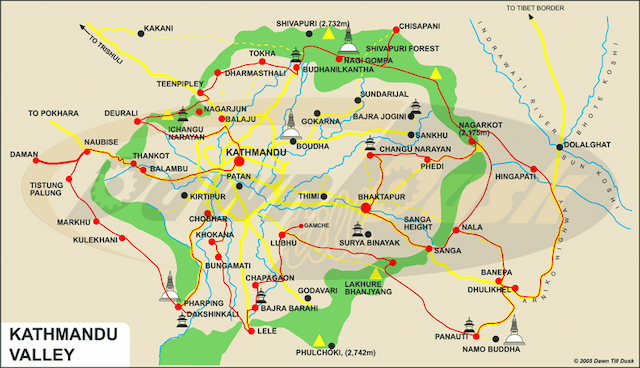
Here are the latest entrance fees (as of 2025) for major heritage sites in the Kathmandu Valley. Prices are typically in Nepalese Rupees (NPR) and often differ for foreigners, SAARC nationals, and Nepali citizens:
Kathmandu valley
-
Kathmandu Durbar Square Foreigners: NPR 1,000 SAARC Nationals: NPR 150
-
Patan Durbar Square Foreigners: NPR 1,000 SAARC Nationals: NPR 250
-
Bhaktapur Durbar Square Foreigners: NPR 1,800 Chinese Tourists: NPR 500 SAARC Nationals: NPR 500
-
Boudhanath Stupa Foreigners: NPR 400 SAARC Nationals: NPR 100
-
Swayambhunath Stupa (Monkey Temple) Foreigners: NPR 200 SAARC Nationals: NPR 50
Asian Hiking Team’s tour Guides are professionals with recognized records of honesty and personal integrity, committed to environmentally responsible trekking practices that minimize ecological impact.
Asian Hiking team Tour guide has licensed by the Government of Nepal through the Nepal Academy of Tourism and Hotel Management (NATHM) and Nepal Mountain Academic. They have several years of experience in the field, especially in cultural, religion, heritage, and adventure tours. Skilled in storytelling, sharing legends, myths, and spiritual meanings behind temples, mountains, and rituals. Experts in UNESCO sites (e.g., Kathmandu, Bhaktapur), fluent in history, architecture, and local customs. All certified guides speak fluent English and additional languages as your request. Friendly, professional, and well-mannered. Our guide are friendly, professional, and well-mannered. Trained in customer service, problem-solving, and group handling. Skilled in storytelling, sharing legends, myths, and spiritual meanings behind temples, mountains, and rituals.
We provide to all tour guide:
Insurance: Mandatory coverage for...
At Asian Hiking Team, we believe that every journey should be both transformative for the traveler and respectful to the host environment and communities. Responsible tourism isn’t just a practice—it’s a core value that shapes how we operate, lead tours, and engage with people and places.
Environmental Responsibility
We are committed to minimizing the environmental impact of our operations while encouraging a greener way of traveling.
Our eco-conscious practices include:
Limiting group sizes to a maximum of 20 to reduce environmental pressure. Using stainless steel mugs for tea/coffee to reduce single-use waste. Relying on gas for cooking instead of wood fires, preserving forests. Carrying out waste from high altitudes for proper city disposal. Avoiding the use of soap near natural water sources. Using reusable containers and encouraging travelers to bring their own refillable water bottles. Leaving campsites cleaner than we found them. Encouraging minimal water usage, especially in high-altitude regions. Preventing trail damage by staying on established routes and avoiding...
Shoes : Comfortable walking shoes
Light jacket : Light jacket
T-shirt : Holi T-shirt
Pant : Easy to use or you can use half pant
Bathing changing clothes : Bathing clothes